Build one bed that keeps water working.
Better soil structure cannot make rain arrive, but it can reduce bare-ground losses, improve infiltration and make each irrigation more useful.
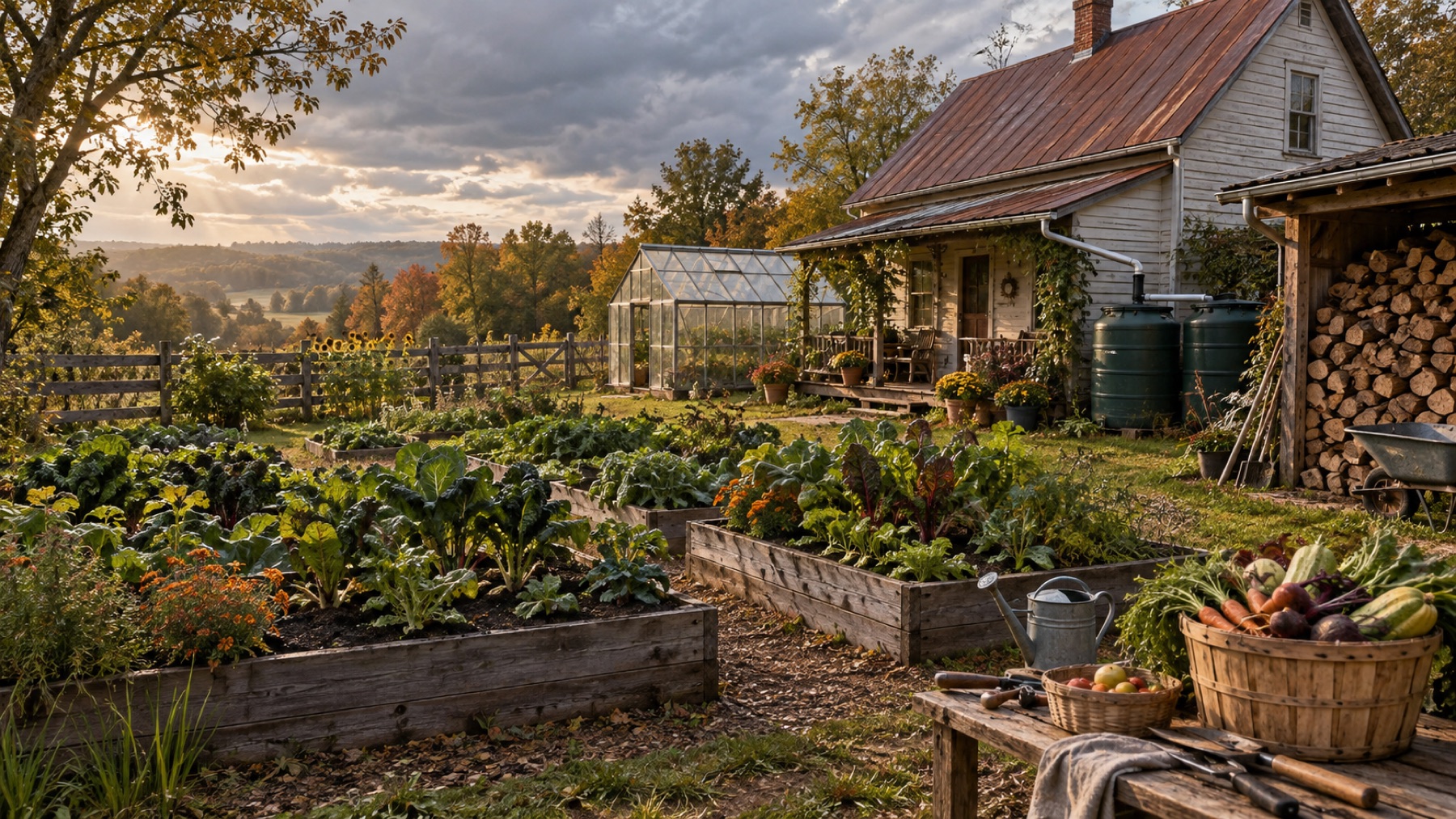
Use four linked practices
USDA’s Natural Resources Conservation Service groups soil-health work around minimizing disturbance, maximizing soil cover, biodiversity and living roots. Applied to a home plot, that can mean compost or suitable mulch over bare soil, rotating crop families, keeping roots growing when climate allows, and avoiding unnecessary tillage.
| Practice | Small-bed version | What to record |
|---|---|---|
| Cover | Use clean organic mulch suited to the crop and local pest pressure. | Depth, source, weeds and soil moisture. |
| Living roots | Plant a locally suitable cover crop or shoulder-season crop. | Sowing date, stand and termination plan. |
| Diversity | Rotate plant families and include flowers or herbs where useful. | Crop family, disease and pollinator activity. |
| Less disturbance | Loosen only where compaction demands it. | Infiltration and root growth before and after. |
Run a simple comparison
Choose two similar sections. Apply the new practice to one and leave the other under your normal management. After watering, note puddling, runoff, how far moisture penetrates and how quickly the surface dries. Repeat at the same time interval and with the same amount of water.
Connect the bed to the whole property
Water resilience includes roof drainage, safe overflow routes, erosion control and an irrigation plan. Rain barrels may reduce demand for treated water, but collected roof runoff is not automatically safe to drink or use on edible crops. Follow local rules and public-health guidance.